
.png)

When to Visit Nusa Lembongan: A Month-by-Month Guide

Updated: Jul 7
It is the question we get asked more than any other: when is the best time to visit Nusa Lembongan? The honest answer is that there is no bad time — the island sits in the tropics, the water stays warm all year, and the manta rays never leave. But every season has its own personality, and knowing them can be the difference between a good trip and a perfect one. Here is the local's guide, month by month.
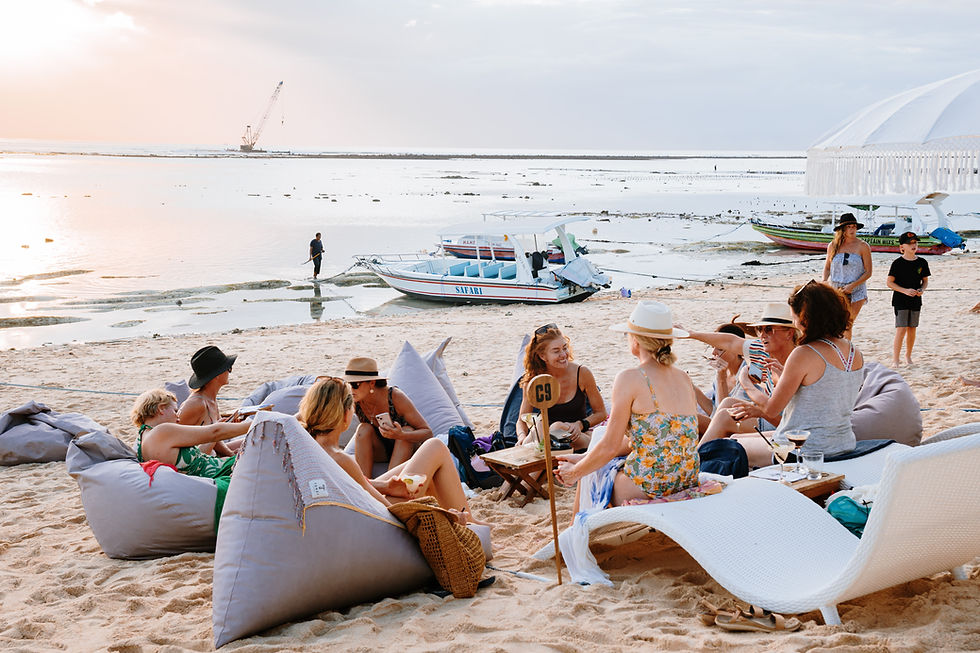
The short answer: the dry season runs roughly April to October, with July and August the busiest months. For the sweet spot of great weather, quieter beaches and better rates, aim for the shoulder months — April to June, or September through to early December. And if your dates are flexible, avoid the school holiday windows, when the island is at its fullest.
A quick word on how the seasons actually work here. Lembongan has just two: dry and wet, driven by the trade winds rather than temperature. The thermometer barely moves all year — days sit around 28 to 31 degrees, nights rarely dip below 24, and the sea stays warm enough that a wetsuit is optional in any month. So the question is never whether it will be warm; it is about rain patterns, wind, crowds and what is happening in the ocean.
December to March: The Green Season
This is the wet season — but do not let the name fool you. Rain usually arrives as short, dramatic afternoon or overnight downpours, leaving long stretches of sunshine in between, and the island turns lush and green. December splits in two: the first half continues November's calm (more on that below), then the Christmas and New Year fortnight brings a festive buzz, full venues and peak-season rates. January stays warm and humid with the island gradually exhaling after the holidays.

February and March are the island at its most tranquil. Mornings are often glassy, the gardens and clifftops are at their greenest, and sunsets can be the year's most spectacular thanks to the dramatic cloud. You will have daybeds, dive boats and dinner tables largely to yourselves, and rates reflect it — the green season is easily the best-value window of the year.
It is worth busting the biggest myth directly: the wet season here is not a washout. Lembongan sits in the rain shadow of Bali's mountains and is measurably drier than Ubud or even Canggu — many green-season days pass without a drop, and when the rain does come it tends to be a spectacular hour rather than a lost day. Bring a light rain jacket for scooter rides, plan the big ocean trips for mornings, and you will barely notice the season on the label.
One date worth knowing: Nyepi, the Balinese Day of Silence, usually falls in March. For 24 hours the whole island stops — no boats, no traffic, no lights — and the stars come out like nowhere else. Plan your crossings around it, and if you are on the island for it, consider yourself lucky: it is one of the most memorable experiences Indonesia offers.

April to June: The Insider's Choice
Ask anyone who lives here and this is the stretch they will tell you to book. April is the turning point — the rains taper away, the trade winds arrive and the ocean begins to clear, with only the Easter break bringing a short busy spell. May is arguably the island's most underrated month: dry-season weather, firing surf, and none of the crowds. June builds gently toward peak season while still feeling spacious — the last comfortable window before the July rush.


Accommodation availability is at its best in these months, rates are gentler, and the island runs at its most relaxed rhythm. If you are planning a honeymoon or a couples escape, this window is made for it: quieter beaches, easy restaurant bookings, private pool villas without the waitlist, and golden hours that feel like your own.
There is a practical bonus to this window too: the island's operators have room to say yes. Private boat charters are easier to secure, surf lessons run at your pace rather than the queue's, dive shops can be flexible with sites and schedules, and last-minute couples massages actually exist. The one date to watch is the Easter break, which brings a short, sharp busy spell — book that fortnight like it is peak season and the rest of the window like the secret it still is.

July and August: Peak Season Energy
The heart of the dry season and the island at full wattage. Expect blue skies, offshore mornings for surfers, and superb visibility for divers — this is also the start of mola mola (oceanic sunfish) season, one of the great bucket-list sightings in world diving. Boat charters head out full of snorkellers bound for Manta Point, and the channel between the islands turns every shade of blue.


On land, the atmosphere is the liveliest of the year. Sunset sessions hum, the beach clubs are in full swing, live music carries down the beach, and every venue brings its A-game. This is Lembongan as a stage — and it is glorious.
The trade-off: this is when the northern-hemisphere summer and Australian school holidays collide, so the island is at its fullest. Book accommodation, boat transfers and dinner tables well ahead — the best suites, villas and golden-hour sittings go months in advance.
A few peak-season survival tips from the team: take the earliest fast boat you can — the seas are calmest and the harbour least hectic before 10am. Claim your daybed or book your beach club spot in the morning rather than strolling up at 4pm. Reserve sunset dinner tables the day you arrive, not the day you want them. And lean on your accommodation's front desk — in high season, who you know genuinely shortens every queue on the island.

September and October: The Long Golden Autumn
September might quietly be the best month of the year: peak-season weather with the crowds thinning by the week. Mola mola season continues into October, the surf stays consistent, and the sunsets are reliably spectacular. October keeps the dry-season feel with shoulder-season space and rates — warm days, calm seas, and a golden hour that seems to stretch a little longer each evening.
This is also the window wedding planners and photographers quietly favour: dry-season reliability for outdoor ceremonies, softer golden light than the harsh midyear sun, and enough space on the island that a beachfront celebration feels intimate rather than observed. If you are considering a proposal, a vow renewal or an intimate wedding, September and October give you peak-season beauty with shoulder-season breathing room.


The Local Secret: November and Early December
Here is the tip most guides will not give you: November and early December are often outstanding. The weather usually stays great well past the official end of the dry season — sunny days, warm seas, beautiful light — while tourist numbers drop to some of the lowest of the year. The island feels like it belongs to the people on it: empty stretches of beach, sunset spots to yourselves, first pick of every daybed, villa and dinner table, and shoulder-season rates to match.
If you want the dry-season experience without the dry-season crowds — and you would rather your holiday photos had nobody else in them — this is your window. It lasts right up until the Christmas rush arrives in mid-December, at which point the island changes gear overnight.
Photographers, take note: the light in this window is some of the best of the year, with the first building clouds turning every sunset into theatre while the days stay bright. Sea conditions generally remain kind for crossings and snorkelling trips, villa availability is at its most generous, and the whole island runs at the unhurried rhythm it had a decade ago. If we could only recommend one under-the-radar booking, November to mid-December would be it.
What Never Changes
Some things on Lembongan ignore the calendar entirely. The manta rays at Manta Point are residents, not visitors — you can snorkel with them in January as easily as July. The water hovers around 26 to 28 degrees all year. The fast boats run daily from Sanur in every season (with Nyepi the one exception). And the island's rituals carry on regardless: Sunsets on Fire beach bonfires and live music at Ohana's, spritzes over the water at Bar Riva, and long Mediterranean dinners at Nisi – House of Mediterranean. Whenever you come, the good stuff is on.

The spa never closes for a season either — a couples massage is as restorative in a February downpour as it is after an August surf. And whatever the month, the beach club daybeds, the pool bars and the rooftop tables are open and waiting.
The Year at a Glance
January: warm, green and quiet once the New Year crowd sails home — great value. February: the island at its stillest; glassy mornings and dramatic sunsets. March: tranquil and lush, with Nyepi's magical day of silence to plan around. April: the turn of the season — drying out, clearing up, Easter aside.
May: the insider's favourite — dry-season weather without dry-season crowds. June: building energy, still spacious; the last easy window before the rush. July: peak season proper — spectacular ocean conditions, mola mola arriving, book everything early. August: the island at full wattage; the liveliest sunsets and busiest boats of the year.
September: possibly the best all-round month — peak weather, thinning crowds. October: long golden days, consistent surf, shoulder-season space. November: the local secret — still sunny, nearly empty, wonderfully unhurried. December: two islands in one — calm and quiet until mid-month, then festive, full and sparkling through New Year.
Booking Windows: A Quick Cheat Sheet
For July, August, Christmas and New Year, book three to six months out — suites, villas and the most requested dinner sittings genuinely sell out. For the shoulder months, four to eight weeks ahead is usually comfortable, and you will have your pick of rooms. In the green season you can be spontaneous, though the Christmas fortnight behaves like peak season. Keep an eye on Easter and the Australian school holiday calendar too — they create short busy pockets even in quieter months.
Whatever your month, the golden rule is simple: book early. The best ocean-view suites and private pool villas are the first to go in every season — even the quiet ones — and booking ahead locks in your rate before the calendar fills. With flexible terms on direct bookings, committing early carries far less risk than waiting for a better moment that rarely comes.
Keep an eye out for buy-now, stay-later promotions too. From time to time we release offers that let you secure a promotional rate today and choose your travel dates for a later window — perfect if you know you are coming but have not pinned down when. These offers go to direct bookers first, so it is one more reason to book with the resort rather than a third-party site.
If you are travelling as a couple — or simply prefer a quieter, more adult pace — aim for the windows outside school holidays. Fewer families means calmer pools, more space at the beach club, and far easier availability across rooms, villas, spa slots and boat charters. The same trip, booked three weeks either side of a school break, can feel like a different island.
And in the busy times, extend the book-ahead habit to your evenings: reserve restaurant tables in advance, especially the golden-hour sittings. Dinner at Nisi, sunset drinks at Bar Riva and beachfront tables at Ohana's all fill fast in peak weeks — locking them in early means the only decision left each day is what to order.

Whatever the month, the same rule applies: book directly with the resort for the best available rates, flexible terms and first pick of upgrades — and if you are celebrating something, say so when you book.
Ready to pick your month? Explore beachfront suites at Ohana's, private pool villas at AQUA NUSA — or start with our Nusa Lembongan honeymoon guide for the full romantic playbook.


Comments